What to Expect During Wisdom Teeth Removal in Oxnard CA
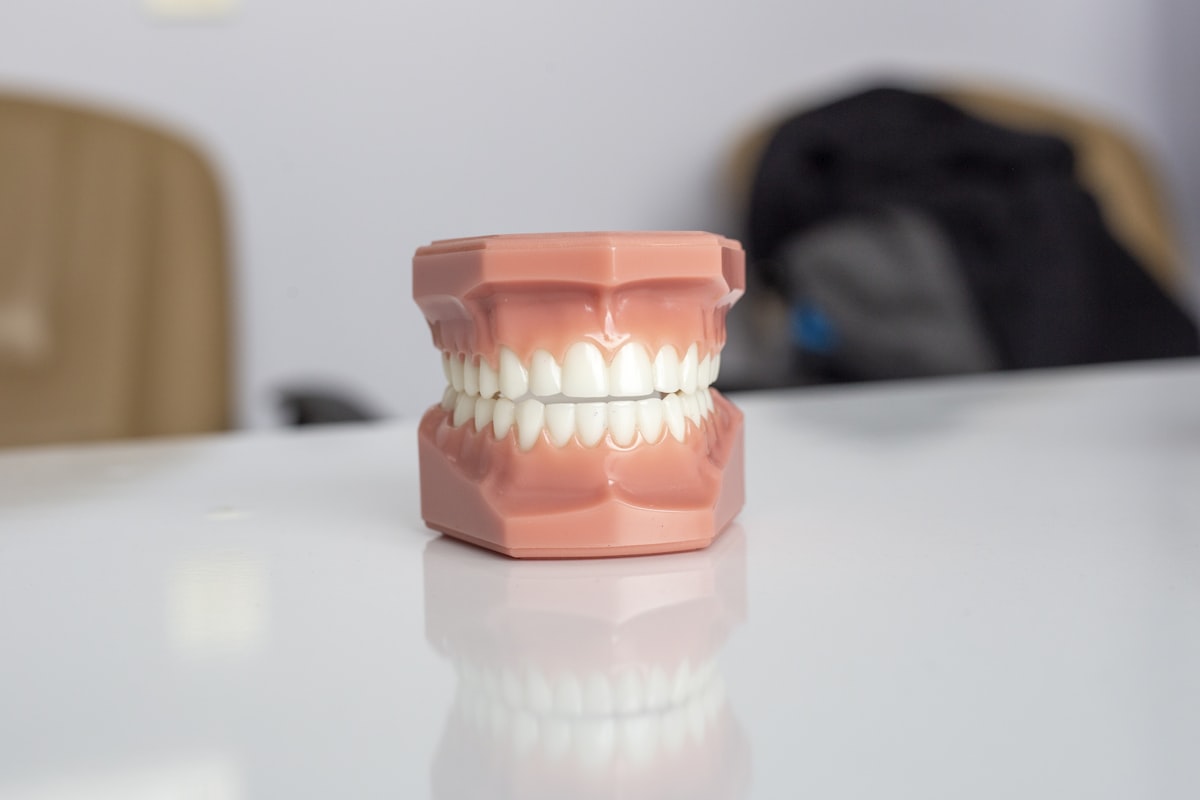
If your dentist or oral surgeon has recommended wisdom teeth removal, the first feeling is often uncertainty. Most people do not know what the day will actually look like until they are in the chair, wearing a bib, answering the same question a second time because the sedation has already started to work. That uncertainty is normal. The good news is that wisdom teeth removal is a routine oral surgery, and when patients know what to expect, the process tends to feel much more manageable.
For patients planning Wisdom Teeth Removal Oxnard CA, a lot of the experience comes down to timing, preparation, and understanding why these teeth are often removed before they become a bigger problem. The procedure itself is usually straightforward. The part that surprises people most is not the surgery, but the recovery, especially during the first seventy two hours.
Why wisdom teeth cause trouble in the first place
Wisdom teeth are the third molars, and they usually appear in the late teens or early twenties. Some come in fully and never cause serious issues. Many do not. The jaw often does not have enough room for four extra molars, which can leave these teeth partially erupted, angled sideways, trapped under the gums, or pressing against neighboring teeth.
That is where the problems begin. A partially erupted wisdom tooth can create a pocket where food and bacteria collect. It is hard to brush, hard to floss, and easy to inflame. Patients often come in saying the area feels sore only once in a while, or that they notice a bad taste near the back of the mouth. Sometimes the first sign is swelling around the gum tissue. In other cases, the tooth is not visible at all, but an X ray shows it is pushing against the second molar.
Not every wisdom tooth must be removed immediately, but many oral surgeons recommend doing it before pain, infection, decay, or damage to nearby teeth develops. Younger patients usually heal faster, and the roots are often less fully formed, which can make removal easier than waiting another ten years.
What happens at the consultation
The consultation is where the process becomes specific to you. This visit usually includes a review of your health history, an exam, and imaging, often panoramic X rays. If the roots appear close to the lower nerve canal or the sinuses, the surgeon may recommend additional imaging to get a more detailed view. That is not automatically a red flag. It simply helps with surgical planning.
During this appointment, the surgeon will usually explain whether your wisdom teeth are erupted, partially erupted, or impacted. Those distinctions matter because they affect the difficulty of the procedure and the likely recovery. A fully erupted wisdom tooth can sometimes be removed much like any other tooth. An impacted one may require an incision in the gum and removal of a small amount of bone. In some cases, the tooth is sectioned into smaller pieces for easier removal.
This is also the time to talk about sedation. Some patients choose local anesthesia only. Others prefer nitrous oxide, oral sedation, or IV sedation. For many wisdom tooth cases, especially when several teeth are being removed at once, IV sedation is common because it reduces awareness and anxiety. People often say it feels like no time passes at all.
A good consultation is not rushed. You should leave understanding the surgical plan, how many teeth are being removed, what type of anesthesia is recommended, what restrictions you will have afterward, and what your likely downtime will be. If you play sports, have school exams coming up, or work in a public facing role where swelling matters, say so. Those details help with scheduling.
Timing matters more than many people realize
There is a practical side to planning wisdom teeth removal that does not get enough attention. The procedure itself may take less than an hour, but recovery does not fit neatly into a lunch break. Most patients do best when they can truly slow down for a couple of days afterward.
In Oxnard, scheduling can also be influenced by lifestyle and season. College students often try to fit surgery into winter or summer break. Working adults often choose a Thursday or Friday so they have a weekend buffer. Parents scheduling for teenagers usually think about sports, band, theater, or upcoming travel. Flying soon after surgery is not ideal, especially if upper wisdom teeth were difficult to remove or the sinuses were involved.
If you are trying to choose the “best” time, the answer is usually simple: pick a window when you can rest, stay hydrated, and avoid rushing back into normal activity.
The day before surgery
The instructions you receive before surgery are there for a reason, especially if sedation is planned. If your surgeon tells you not to eat or drink after a certain time, follow that exactly. Patients sometimes assume a small snack or sip of coffee will not matter. It can matter a lot. Sedation safety depends on having an empty stomach.
You will also want to prepare your home setup before you leave for the appointment. A clean pillowcase, extra gauze if recommended, soft foods, ice packs, water, and prescribed medications should already be in place. People tend to feel groggy once they get home, and that is not the time to send someone to three different stores looking for applesauce and ibuprofen.
Wear comfortable clothing on the day of surgery. If you are having IV sedation, short sleeves are helpful. Remove contact lenses if your office advises it. Do not wear heavy makeup or nail products if you have been told they interfere with monitoring. Most importantly, arrange a reliable adult to drive you home and stay with you as directed. A rideshare does not count when the office specifically requires an escort.
What the procedure day usually feels like
The mood in oral surgery offices is often calmer than people expect. The team does this every day. They know patients are nervous, and a well run practice has a rhythm to it. You will check in, review your medical history, sign consent forms if you have not already, and have your blood pressure and other basic measures taken.
If you are receiving IV sedation, the team will place the IV and begin monitoring. Patients often remember this part vaguely. With local anesthesia, you will feel numbing injections, usually as pressure and brief stinging. Once the area is fully numb, you should not feel sharp pain during the procedure, though you may notice pressure, movement, or vibration. That sensation can be unsettling if you are awake, but it is normal.
When the teeth are impacted, the surgeon may make an incision in the gum, remove enough bone to access the tooth, and lift it out. If needed, the tooth is divided into smaller sections. Afterward, the area may be rinsed and closed with stitches. Some sutures dissolve on their own within several days to a couple of weeks.
For four wisdom teeth, the active surgical time is often shorter than patients imagine. It can range widely depending on the position of the teeth, but many procedures are done within about forty five minutes to an hour. The appointment itself takes longer because of preparation and recovery monitoring afterward.
Waking up and heading home
Right after surgery, your mouth will feel numb and packed with gauze. If you had sedation, you may feel sleepy, chilly, or emotionally loose in a way that makes everything seem funny or unimportant. Family members often hear strange questions in the car ride home. That is common and usually wears off quickly.
The main priorities during the first few hours are controlling bleeding, starting pain management before the numbing wears off, and keeping swelling down. A small amount of oozing is expected. Bright red, heavy bleeding that fills the mouth continuously is not typical and should prompt a call to the office. Most patients are told to bite gently but firmly on gauze and change it as directed.
Ice packs help most during the first day. They do not need to be clamped on nonstop for hours. Intermittent use is usually enough. Rest with your head elevated rather than lying completely flat. That simple adjustment often makes a noticeable difference in swelling and throbbing.
The first seventy two hours, what most patients notice
Recovery has patterns, but there is still a range of normal. One patient with four erupted wisdom teeth may be back to light desk work the next day. Another with deeply impacted lower teeth may feel stiff, puffy, and tired for several days. Age, surgical complexity, and general health all play a role.
Swelling usually builds during the first two or three days before it improves. This catches people off guard. They expect to wake up better every hour, when in reality day two is often puffier than day one. Mild bruising along the jaw or neck can also happen, especially in lighter skin tones or after a more involved extraction.
Your jaw may feel sore and tight. Opening wide to yawn, laugh, or eat a sandwich can be uncomfortable. The throat can feel scratchy from dryness, mouth opening during surgery, or referred soreness from the lower jaw. Some people notice ear discomfort or headache tension around the temples. Those symptoms can be normal if they improve steadily and are not accompanied by severe swelling, fever, or worsening pain.
Pain is often strongest once the local anesthetic wears off. This is why surgeons often advise starting the recommended medication before you are fully uncomfortable. Waiting until pain peaks tends to make the first night harder than it needs to be.
Eating without making recovery harder
Most people focus on what they cannot eat after oral surgery, but it helps to think instead about texture, temperature, and effort. Your mouth wants foods that are soft, mild, and easy to manage without much chewing. Lukewarm is often better than very hot on the first day. Crunchy, spicy, or seedy foods tend to irritate extraction sites and can leave debris where you do not want it.
A realistic plan for the first couple of days usually includes items like yogurt, pudding, mashed potatoes, smoothies eaten with a spoon, scrambled eggs, oatmeal once you are comfortable, applesauce, broth, cottage cheese, or well blended soups that are not too hot. Hydration matters just as much as food. Small, steady sips are better than realizing at night that you barely drank all day.
One point that deserves emphasis, do not use a straw unless your surgeon specifically says it is okay. The suction can disturb the blood clot that needs to stay in place for normal healing. That same logic is why forceful spitting, smoking, and vigorous rinsing are discouraged early on.
Dry socket, the complication everyone hears about
Patients often come in more afraid of dry socket than the surgery itself. That fear is understandable because dry socket can be quite painful, especially after lower wisdom teeth removal. It happens when the blood clot in the extraction site breaks down or becomes dislodged too early, exposing bone and nerves underneath.
Not everyone is equally likely to get it. Smoking, vaping, straw use, forceful rinsing, and certain hormonal factors can increase risk. It also tends to occur more often in lower extractions than upper ones. The timing is important. Dry socket usually does not show up immediately. A patient may feel okay the first day or two, then develop a deep, radiating pain several days later, often with a bad taste or odor.
The good news is that while dry socket is miserable, it is treatable. The surgeon can evaluate the site and place a medicated dressing if needed. The best prevention is following the post op instructions carefully, even if you feel pretty good by the second day and are tempted to go back to normal habits.
Signs that healing is on track, and signs to call about
Most patients do not need much beyond routine follow up, but it helps to know what is typical and what deserves a phone call. Normal healing includes mild to moderate swelling, limited jaw opening, some oozing the first day, tenderness, and gradually improving soreness. It is also normal to see small openings where the teeth were removed. They do not seal shut overnight.
You should contact the office if bleeding remains heavy despite proper gauze pressure, if swelling sharply worsens after the third day, if you develop fever or pus, if pain escalates instead of improving, or if you have trouble swallowing or breathing. Numbness is another issue to report, especially if it persists longer than expected. Temporary numbness of the lip, chin, or tongue can happen in some lower wisdom tooth cases because of nerve proximity. It is often temporary, but it should still be monitored.
A strange smell in the mouth is not uncommon during healing, especially before gentle rinsing becomes part of your routine. That alone does not always mean infection. Context matters. Persistent foul drainage, significant swelling, fever, and increasing pain matter more than smell by itself.
Returning to work, school, and exercise
There is no one timeline that fits everyone, which is why generic advice can be frustrating. After straightforward removal, some adults return to nonphysical work within one or two days. Others prefer to wait longer, especially if they had sedation, significant swelling, or physically demanding jobs. Students can sometimes attend class sooner than they can comfortably give a presentation, which is worth thinking about if public speaking https://louisdtsz112.summitquill.com/posts/what-parents-should-know-about-wisdom-teeth-removal-in-oxnard-ca is involved.
Exercise is where people often get impatient. Strenuous activity too soon can increase throbbing and bleeding. A competitive athlete who feels “fine” forty eight hours later may still set recovery back by jumping into hard training. In practice, it is better to resume activity gradually and follow the surgeon’s guidance rather than using pain alone as the deciding factor.
For jobs involving lifting, bending, heat exposure, or long hours on your feet, recovery can feel more noticeable. Office work and remote work are often easier to restart early, but even then, fatigue can linger for a couple of days.
Questions worth asking before your appointment
The best surgical experiences tend to happen when expectations are clear. If you are preparing for Wisdom Teeth Removal Oxnard CA, these are the questions that usually make the biggest difference:
- How difficult do my wisdom teeth look based on the imaging?
- What type of anesthesia do you recommend, and why?
- How many days should I realistically plan to take off?
- What prescriptions or over the counter medications should I have ready at home?
- What symptoms would make you want me to call after surgery?
Those questions are practical, not theoretical. They help you plan transportation, meals, time off, and aftercare without guessing.
A few local, real life considerations in Oxnard
Patients in coastal communities like Oxnard often balance oral surgery with busy family schedules, commuting, and outdoor routines. That sounds minor until you remember that sun, heat, social plans, and activity levels all affect how easy it is to rest properly after surgery. If your weekend usually includes long beach days, team sports, or travel between Ventura County neighborhoods, it is smart to set expectations ahead of time. Recovery is easier when there is nothing to prove and nowhere urgent to be.
Another practical point is support at home. Teenagers may need more help than they expect, especially during the first evening. Adults living alone should set up medications, food, water, and communication before leaving for surgery. Even capable, independent people can feel a bit clumsy and foggy after sedation. Planning ahead avoids avoidable stress.
What patients are often relieved to learn
There are a few things people tend to overestimate before wisdom teeth surgery. One is the duration. The procedure usually moves quickly. Another is the level of pain during surgery itself. With proper anesthesia and sedation, discomfort during the procedure is generally minimal. What patients feel most is pressure, then soreness later.
People also underestimate how odd numbness feels. It is not painful, but it can make drinking and speaking awkward for several hours. A few patients accidentally bite their cheek or lip because they do not realize how numb they are. That is especially common with younger patients who are hungry and impatient to eat right away.
Lastly, many are relieved to find that the recovery is more boring than dramatic. It is a couple of quieter days, soft food, medication on schedule, and some swelling that peaks before it fades. When patients respect that process instead of fighting it, they usually do well.
The bigger picture behind removing wisdom teeth
Wisdom tooth surgery sits in a strange category of healthcare. It is common enough that people talk about it casually, but personal enough that almost everyone brings some anxiety to the appointment. That combination creates a lot of secondhand stories, some accurate, some wildly exaggerated. One person says they were back at work the same afternoon. Another says they looked like a chipmunk for a week. Both can be true in their own cases.
What matters most is not comparing your experience to someone else’s. It is understanding your anatomy, your surgical plan, and your recovery instructions. A well timed procedure, done before repeated infections or damage set in, is often easier than waiting until the problem becomes urgent.
For anyone planning Wisdom Teeth Removal Oxnard CA, the expectation to keep in mind is simple. The surgery is usually routine, the first few days require real care, and most patients recover smoothly when they give healing the respect it deserves. That is the part worth remembering when the appointment finally shows up on the calendar.
Oxnard Dentistry
1730 E Gonzales Rd
Oxnard, CA 93036, United States
Phone: +1 805-307-8731
FAQ About Wisdom Teeth Removal Oxnard CA
How much does it cost to get wisdom teeth removed in California?
Fees depend on tooth position, the number of extractions, imaging and anesthesia. Oxnard Dentistry can provide an individual estimate after examining your teeth. Ask for an itemized plan and confirm insurance benefits before scheduling.
Will insurance cover wisdom teeth removal?
Coverage and out-of-pocket costs vary by policy and the treatment required. Ask the dental office and your insurer to verify benefits, annual limits and any authorization requirements. A benefit estimate does not guarantee payment.
Is 30 too old to have wisdom teeth removed?
Age alone does not determine whether extraction is appropriate. A dentist evaluates symptoms, tooth position, oral health and medical history. Healthy, functional wisdom teeth may be monitored; teeth causing disease or other problems may need treatment.